Hair & care · Always free
Hair Type Quiz
What is your hair type? Start with your natural, dry pattern, then describe its shape and your individual strands. This quiz separates curl pattern from thickness and density, so your result is more useful than a single number on a hair chart.
A clearer next step
Less guessing.
More useful ideas.
Answer the questions to get an explained result you can save. No photo, account or payment is required.
- See what your answers mean
- Compare practical next steps
- Save notes for your stylist
How to use the hair type quiz
- 1Observe clean, fully dry hair without straightening, curling or stretching it.
- 2Pick the main pattern and then its closest detail. Check more than one area of your head.
- 3Describe strand thickness and density separately, then save your profile for your next haircut.
Method & limitations
Your observed pattern determines the family: type 1 straight, type 2 wavy, type 3 curly or type 4 coily. Pattern detail suggests a subtype for types 2–4. Thickness and density do not determine that letter; we report them separately. We keep straight hair at type 1 rather than inventing a precise subtype from thickness. Mixed or unclear patterns are reported as a range to explore, not assigned a confidence percentage.
Method documented by HairSelector · Reviewed · No clinical or professional accuracy validation claimed.
Read the hair type chart
Type 1 hair falls predominantly straight. Type 2 forms waves, type 3 forms visible ringlets, and type 4 forms smaller coils or angular bends. The A–C labels are a shorthand for how the pattern looks within a family. They do not measure hair health, beauty, ancestry or how much care someone needs. A chart can help describe a look, but it is not a complete description of your hair.
Fine hair is not the same as thin hair
Thickness describes one strand. Density describes how many strands occupy an area of scalp. Someone can have fine strands and high density, or thick strands with lower density. Those combinations can behave very differently when layered or styled. Tell your stylist both observations and whether you want more movement, a fuller perimeter or less weight.
Why your result may vary
The crown, temples and nape may have different patterns. Heat styling, a recent chemical service, product hold and the weight of long hair can change what you see. Choose the mixed option if you cannot identify a dominant pattern, and revisit after another normal wash day. To plan a routine, pair this result with observations from the porosity quiz rather than assuming all curly or coily hair behaves alike.
Common questions
Can my hair be both wavy and curly?
Yes. Multiple patterns on one head are common enough that a single label can be limiting. Use the mixed option, then note where the waves and ringlets appear.
Does the quiz identify 1A through 4C?
It suggests type 1 or a pattern-based subtype from 2A through 4C. Straight hair is reported as type 1, with thickness separately. A self-observation quiz cannot establish an exact classification.
Should I choose my wet or dry pattern?
Use your fully dry, unstretched pattern. Wet hair can look longer and looser, while styling tools can temporarily change the pattern.
Keep exploring
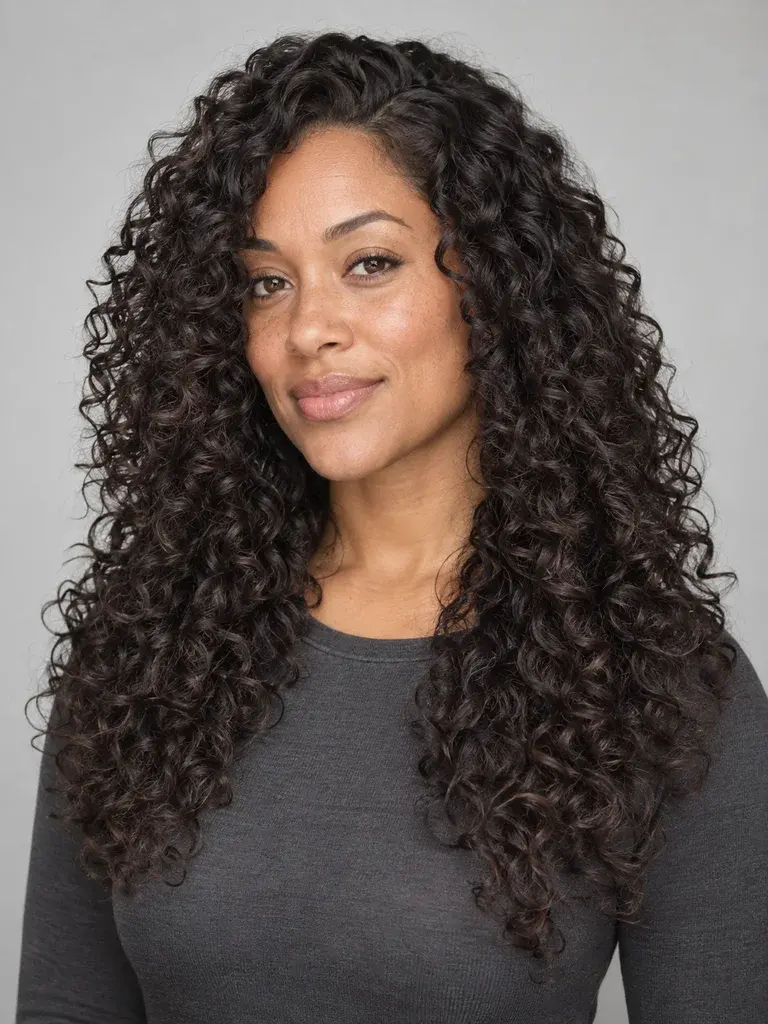
Hair & care · Free
Hair Porosity Test
Take a free hair porosity test based on how your hair wets, feels and holds moisture.
Open tool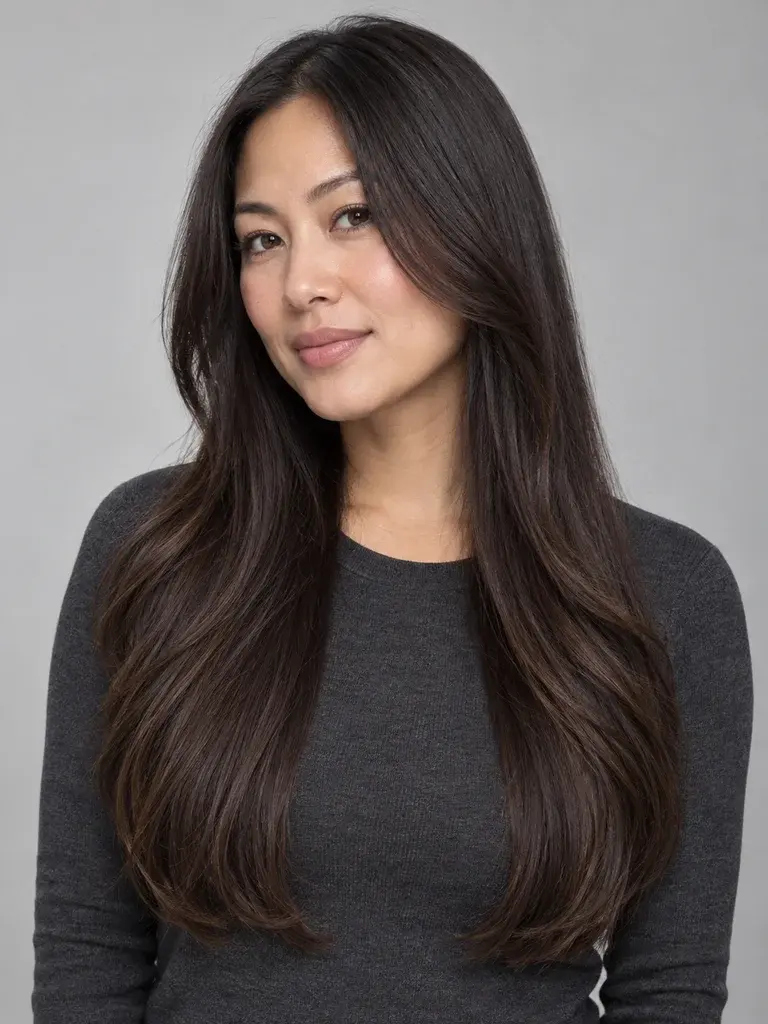
Hair & care · Free
Hair Growth Calculator
Estimate how long it takes to reach your hair length goal.
Open tool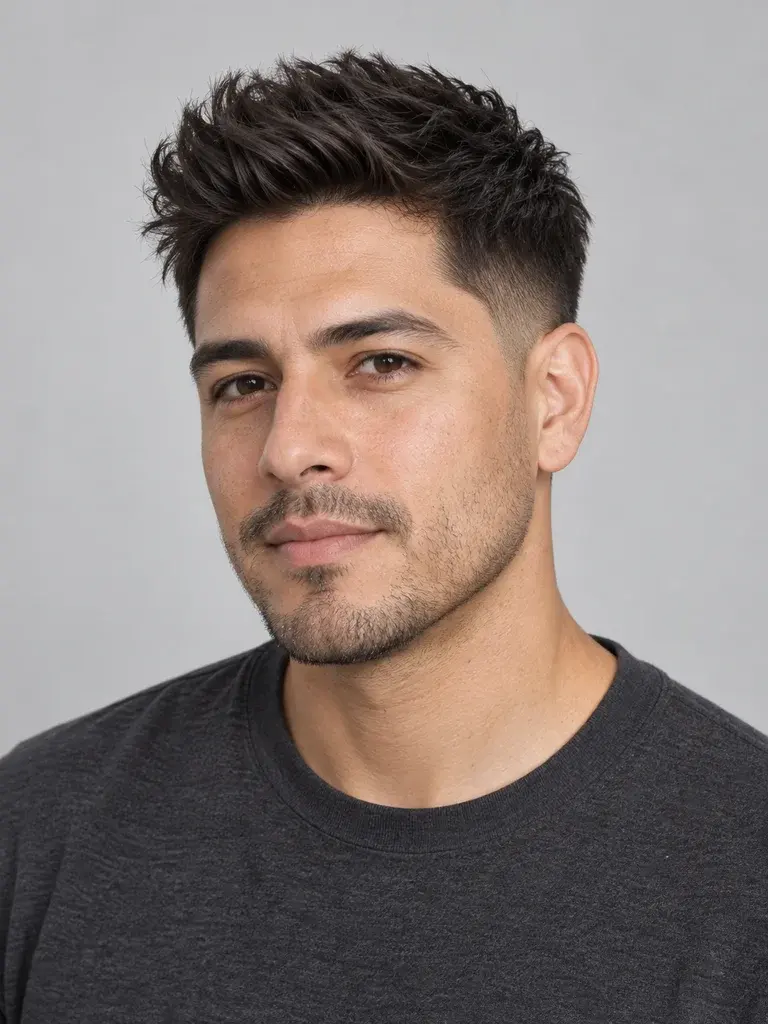
Hair & care · Free
Haircut Finder
Find a haircut for your length, texture and styling routine.
Open tool